なぜか~ JLPT N3 Grammar Explanation and Teaching Method

中堅さん
最近、なぜかとても疲れているの。
理由はわからないんだけど…
理由はわからないんだけど…
病気じゃないんでしょ?
じゃあ、休みの日はゆっくり休んだほうがいいわよ。
じゃあ、休みの日はゆっくり休んだほうがいいわよ。
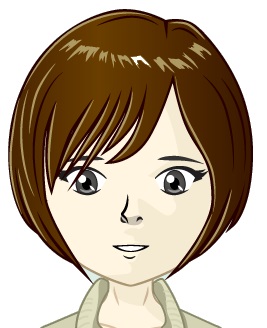
先輩さん
中堅さん
そうね。
疲れの原因が分かればいいんだけど…
疲れの原因が分かればいいんだけど…
そんなときは、酒を飲めば疲れも吹っ飛ぶぞ!!
今晩、一緒にどうだ?
今晩、一緒にどうだ?

ベテランさん
中堅さん
今晩はちょっと家族と約束があるから…無理よ。
はぁ…
はぁ…
(毎回のこの人の誘いを気まずくならないように断っているから、
精神的に疲れるのかしら…)
精神的に疲れるのかしら…)
先輩さん
なぜか
(Post a picture of a woman greeting a man)
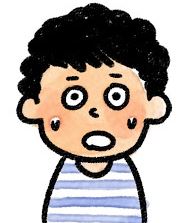
教師
最近、隣に住んでいる奥さんがよく挨拶をしてくれます。
今までは全然挨拶をしなかったのに、とても不思議です。理由がわかりません。
なぜか隣の奥さんが挨拶をしてきます。
今までは全然挨拶をしなかったのに、とても不思議です。理由がわかりません。
なぜか隣の奥さんが挨拶をしてきます。
(Put up a picture of noise coming from the house next door)
教師
最近、夜になると隣の家から、大きな音が聞こえます。
何の音かわかりません。理由もよくわかりません。
夜になると、なぜか隣のうちから物音が聞こえてきます。
何の音かわかりません。理由もよくわかりません。
夜になると、なぜか隣のうちから物音が聞こえてきます。
(Draw a picture of someone touching their neck and looking like they’re in pain)
教師
この人は首が痛いです。
でも原因はわかりません。
何と言いますか?
でも原因はわかりません。
何と言いますか?
なぜか、首が痛いです。

学生さん
(Post a picture of a person in a bad mood)
教師
部長の機嫌が悪いです。
理由はわかりません。
何と言いますか。
理由はわかりません。
何と言いますか。
なぜか部長の機嫌が悪いです。
学生さん
(Have students make sentences using “なぜか")
Chalkboard writing
なぜか 首が痛い。
なぜか 部長の機嫌が悪い。
なぜか あの人と話したくない
なぜか 雨が降ると うれしくなる
Point
“Nazeka" is used when the reason or cause is unclear.
While “naze" and “howdo" are interrogative words and are used in questions,
“nazeka" is not an interrogative word and is used with sentences that describe results or the current situation.
Practice
例 この道を通ると、なぜか寒気がする。
① この音楽を聞くと、なぜか( )。
② ( )なぜかすぐに眠くなる。
③ あの人と話していると、なぜか( )。
④ ( )なぜか体がかゆくなる。
⑤ 始めてきた場所だけど、なぜか( )。
⑥ ( )、なぜか会社に来なくなった。
⑦ あんなに元気だったのに、( )。
⑧ ( )、なぜか嫌われてしまった。
⑨ 大事に使っていたのに、なぜか( )。
⑩ ( )なぜか 怒られた。
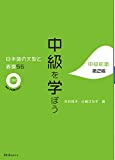

新人君
「中級を学ぼう」is perfect for learners who have completed the beginner and intermediate levels.
Hmm,
the content is more substantial compared to “中級へ行こう."
the content is more substantial compared to “中級へ行こう."
先輩さん
中堅さん
It includes lots of practice in grammar, reading comprehension, and writing, so you can get by with just the textbook…
However, there isn’t enough practice with sentence patterns and some of the questions are too easy, so I think it would be better if teachers prepared them separately!!
ベテランさん
新人君
I am still not sure how to conduct the lesson, so I will use the teacher’s guide.