Teaching Plans and Materials for “Minna no Nihongo” Lesson 15: How to teach “~temoiidesu,” “~te wa ikemasen,” and “~teimasu” ★
This is lesson 15.
It’s difficult to convey the concept of “~ています" in the latter half.
the first half of this lesson, “~てもいいです。" and “~てはいけません。" are easy to teach.
“~ています" is used in various contexts like “status, continuity, repetition".
it’s difficult for both the teachers and learners to understand!
We need to give examples carefully, one by one, to help understand the situations!!
Let’s see…
“To ask for permission and inquire if something is possible."
“To talk about things you do regularly or about your status."
~てもいいですか
(Draw a picture on the whiteboard of a person who is feeling hot and holding a remote, asking something to others)
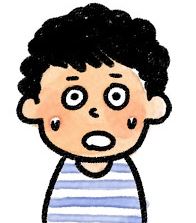
Teacher Everyone, what does this person say? May I turn on the air conditioner? Is it okay to turn on the air conditioner? 
Student
Teacher What is the “te-form" of “つけます" (to turn on)? It is “つけて".
Student
Teacher Yes, you say “エアコンをつけてもいいですか。" |
(Draw a picture of a person who is troubled because they don’t have a pen)
|
Teacher What does this person say? May I borrow a pen?
Student |
※ Some students might mistakenly say “貸してもいいですか。" (May I lend?). Explain that “借りても…" (May I borrow…) should be used for their own actions.
Deepen understanding of sentence patterns using flashcards and practice asking for permission.
エアコン を つけます。 いいですか。
つけても いいですか。
ボールペン を かります。 いいですか。
かりても いいですか。
& nbsp;
-pdf.jpg)
Q: ~てもいいですか。(Personal belongings)
A: Sure, go ahead. / Sorry, but…
|
Teacher Excuse me, A-san. May I borrow a pencil? Yes, you may borrow it.
Student
Teacher “Sure, go ahead" is better.
Teacher Excuse me, B-san. May I borrow 10,000 yen? No, um… I can’t borrow? Not good?
Student
Teacher Instead of “No", “Sorry, but…" is better. “Sorry, but… I don’t have it now." is also good.
Teacher Excuse me, C-san. May I turn off the air conditioner? Sorry, but… It’s hot…
Student |
Practice various situations with flashcards.
When responding, add reasons to practice sentence construction.
Q: ボールペン を かりてもいいですか。
A: Sure, go ahead.
Q: 10,000 yen かりてもいいですか。
A: Sorry, but…
Q: エアコン を けしてもいいですか。
A: Sorry, it’s hot…
-pdf.jpg)
-pdf.jpg)
Q: ~てもいいですか。(Rules)
A: Yes, you may. / No, you may not.
(Draw a picture of a hospital on the whiteboard)
|
Teacher This is a hospital. Is it okay to read books in the hospital? Sure, go ahead.
Student
Teacher Since it’s a hospital rule, “Yes, you may read" is better.
Teacher Is it okay to smoke in the hospital? Sorry, but…
Student
Teacher Since it’s a rule. “Sorry, but…" is not good. Use “No, you may not smoke.". “いけません。" means “No". (Show the prohibition mark) |
Practice “~てはいけません" with flashcards
Practice saying prohibitions by giving place names.
Practice creating appropriate sentences using “~てもいいです" and “~てはいけません" given the reasons.
Q: Can you read a book in the hospital? Yes, you may.
Q: Can you smoke in the hospital?
A: No, you may not.
 Various materials for teaching Japanese grammar “~てもいいです / ~てはいけません"